How Commentary Options, Favorite-Team Modes, and Tactical Views Affect the Sports Viewing Experience
Live sports broadcasts are no longer limited to one commentary team and one camera angle. Depending on the competition, broadcaster, device, and subscription, viewers may be able to select a local radio feed, watch a data-enhanced broadcast, switch to a wider camera angle, or follow statistics related to a particular team or player.
These options do more than change the appearance or sound of a broadcast. Commentary influences how viewers interpret decisions and key moments. Team-focused coverage strengthens emotional involvement, while tactical views reveal positioning and movement that are difficult to see from the standard camera.
Not every service provides all of these features, and the names used for them vary. Some platforms describe them as alternate feeds, local broadcasts, tactical cameras, multiview options, or enhanced streams rather than “favorite-team modes.” The best setup therefore depends on what is available and whether you are watching for entertainment, team support, or deeper analysis.
Commentary Changes More Than the Sound of a Broadcast
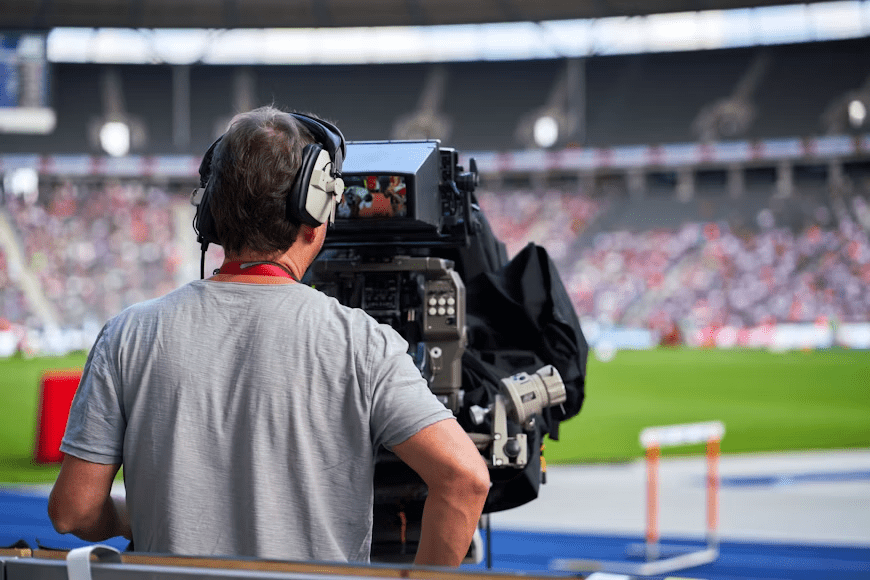
Commentary gives viewers context that the pictures alone may not provide. It can explain rules, identify players, describe tactical adjustments, and connect the current game with earlier results or events.
A national or neutral broadcast usually attempts to cover both teams evenly. This type of commentary is useful when you are unfamiliar with the teams or want a broader explanation of the contest. The commentators may discuss why a substitution was made, how a defensive system works, or what a result means for the league standings.
However, neutral does not mean completely free from opinion. Commentators still decide which moments to emphasize, which statistics to mention, and how to interpret a disputed decision. Two commentary teams can therefore describe the same incident in noticeably different ways.
A team-aligned broadcast has a different purpose. Local television and radio commentators often follow the same team throughout the season. They know its recent form, injuries, player habits, and history in greater detail than a national broadcast may have time to explain.
This familiarity can make the coverage more valuable to dedicated supporters. A local commentator may recognize a tactical change immediately or explain why a player’s performance matters in the context of the entire season. The emotional response is also likely to match that of the team’s fans.
The trade-off is perspective. Team commentators may spend more time discussing their own players, react more strongly to decisions that hurt their team, or give less attention to the opponent’s good play. This does not make the broadcast unreliable, but it makes it less suitable for viewers seeking balanced analysis.
Alternate audio is available for some events and services, but it should not be described as a universal feature. MLB, for example, provides alternative audio options for supported live games, while Amazon states that some live events may offer alternate streams or audio selections.
Stadium Sound Creates Immersion but Removes Guidance
A stadium-sound feed removes regular commentary and focuses on crowd reactions, officials, players, and other natural sounds from the venue. It can create a more immersive experience for viewers who already understand the sport or find commentary distracting.
The trade-off is a lack of explanation. Without commentary, viewers may miss the reason for a decision, substitution, or tactical adjustment. This option is also not available on every platform, so it should be treated as an event-specific feature rather than a standard broadcast choice.
Team-Focused Modes Make the Broadcast More Personal
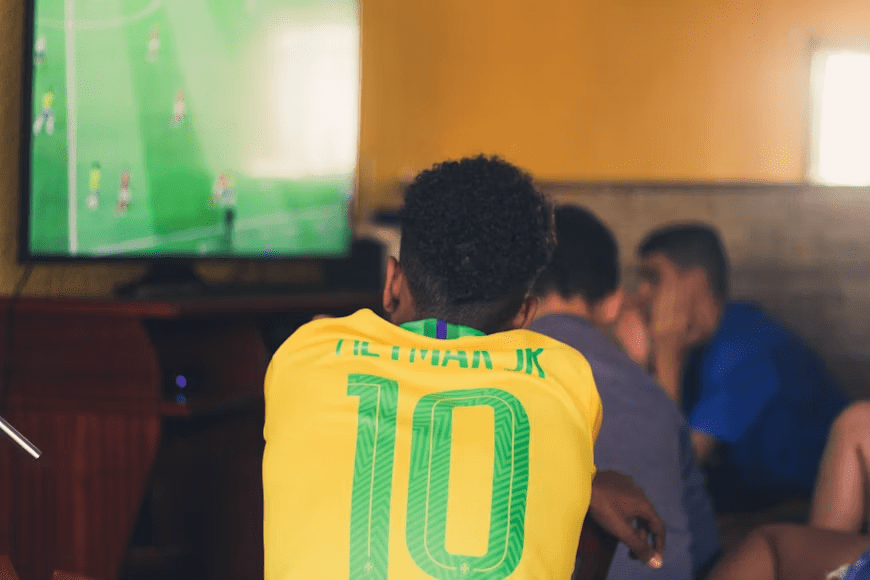
The term “favorite-team mode” is not used consistently across streaming services. It may refer to selecting a home or away broadcast, receiving team-specific statistics, following selected players, or using an interface personalized around one club.
These features make relevant information easier to follow and can strengthen the viewer’s emotional connection to the team. However, they may give less attention to the opponent and provide a narrower interpretation of the game. Team-focused viewing is therefore best for dedicated supporters rather than viewers seeking a balanced overview.
Tactical Views Reveal What Happens Away From the Ball
The standard broadcast camera is designed to make live action easy to follow. It usually tracks the ball, puck, or main area of play and switches to close-ups during important moments.
This approach creates drama, but it limits the amount of the playing area visible at once. Runs away from the ball, defensive positioning, passing options, and developing spaces may remain outside the frame.
A tactical camera uses a wider or higher angle. In soccer, it can reveal the distance between defensive and midfield lines, the shape of a press, and the movements that create space before a pass is made. A viewer can see not only who receives the ball but also why that passing route became available.
In basketball, a wider view makes offensive spacing, screens, weak-side movement, and defensive rotations easier to follow. In American football, the All-22 angle shows all 22 players, allowing analysts to examine routes, coverage, blocking assignments, and movement away from the ball.
The NFL describes All-22 footage as a way to review every player on the field regardless of where the ball goes. This makes it especially valuable for film study and detailed analysis. It should not, however, be described as a standard selectable live camera for every NFL game. Access and timing depend on the service and product offering.
Tactical views also have limitations. Players appear smaller, facial reactions are harder to see, and the distance from the action reduces some of the visual intensity. A wide camera may show how a goal developed but provide less detail during the finish itself.
Data-Enhanced Feeds Can Explain Plays as They Develop
Some alternate broadcasts combine a wider camera with player tracking, statistical overlays, or predictive graphics. These feeds can identify defensive formations, pressure, player speed, passing options, or likely tactical outcomes.
When used carefully, the additional data helps viewers understand why a play succeeded. A standard replay may show a completed pass, while an enhanced feed can reveal the coverage, available space, and defensive pressure that shaped the decision.
Prime Vision with Next Gen Stats is one example. Its NFL presentation has used tracking information, analytical overlays, and elevated camera views to explain formations and defensive behavior. The purpose is not simply to display more numbers but to make complex plays easier to interpret.
Too much information can have the opposite effect. Constant graphics may cover part of the playing area or direct attention away from the action. Casual viewers may find probabilities and tactical labels less useful than clear commentary and an uncluttered screen.
The value of an enhanced feed therefore depends on how much analysis the viewer wants while the game is happening. Data should clarify the action, not compete with it.
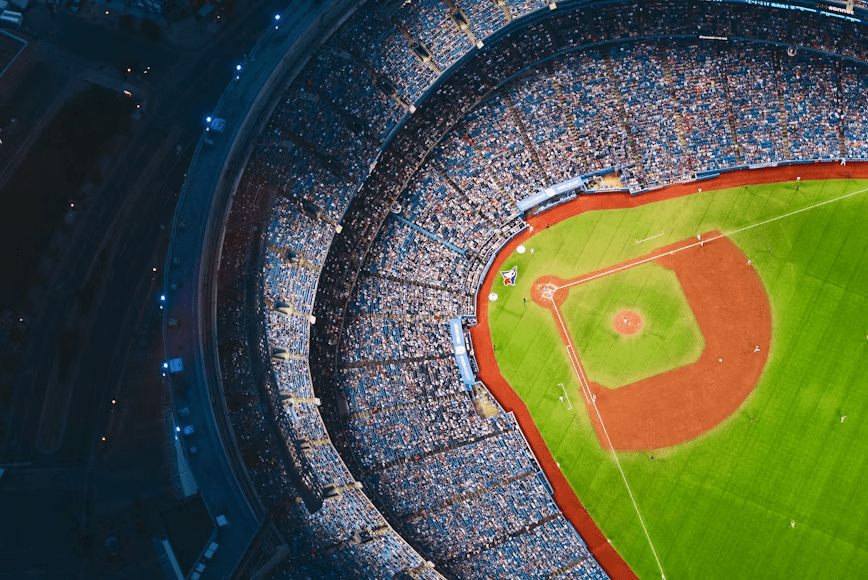
Each Setup Produces a Different Interpretation of the Game
The combination of commentary and camera angle shapes how you experience a game. Neutral commentary with the standard broadcast view provides balanced coverage and is suitable for most viewers. Team-focused commentary creates a stronger emotional connection but naturally emphasizes one side of the match. A tactical camera paired with analytical commentary highlights positioning, spacing, and team structure, making it more useful for viewers interested in strategy. Meanwhile, a stadium-sound or data-enhanced feed offers a different perspective, either by reducing commentary or adding more visual information.
The Best Viewing Option Depends on Your Purpose
For casual entertainment, the standard camera with regular commentary remains the most accessible choice. It follows the important action, includes replays, and explains enough context without requiring detailed knowledge of the sport.
For supporting a favorite team, a local or team-aligned audio feed can provide deeper familiarity and stronger emotional involvement. Team-specific statistics may add value, but the main broadcast should remain accessible when you need a wider view of the match.
For learning a sport, neutral commentary combined with a wide or data-enhanced feed is often more useful. The commentary explains decisions while the camera provides enough space to see how the play develops.
For tactical analysis, a wide camera or All-22-style view is usually more informative than the standard broadcast. Reviewing footage after the event may also be more effective than trying to analyze every movement live, since the viewer can pause, replay, and compare repeated patterns.
For atmosphere, stadium sound offers the closest alternative to being in the venue, provided the viewer is comfortable following the action without regular explanation.
The available options should also be tested before an important match. How to Check Rescheduled or Postponed Match Times and Broadcast Listings can help confirm the latest match schedule and available broadcast listings before deciding which viewing option to use. Alternate feeds may have different delays, picture quality, commentary languages, device restrictions, or subscription requirements. A feature offered for one event may be unavailable for the next.
Commentary options, team-focused presentation, tactical cameras, and enhanced statistics all change what viewers take from a sports broadcast. Commentary shapes the story, personalization determines what receives attention, and camera angles control how much of the game can be understood beyond the main action.
The most satisfying setup is the one that matches the reason you are watching. A supporter seeking emotion, a new viewer learning the rules, and an analyst studying team structure do not need the same broadcast. Recognizing those differences makes it easier to select a viewing experience that is informative without losing what makes live sport enjoyable.