Differences in Release Schedules and Episode Structures Between OTT Originals and Broadcaster-Produced Content
The label “OTT Original” or “broadcast television” provides only a basic description of where a program comes from. It does not automatically explain how the series will be released, how long each episode will be, or how viewers are expected to follow the story. Modern streaming services and television networks both use multiple distribution models, and the same title may even follow different schedules depending on the country where it is available.
For viewers, the more useful approach is to examine the actual release plan, episode structure, platform policies, and availability in their own region rather than assuming every OTT title or television drama follows the same pattern.
OTT and Broadcast Release Models
One of the biggest differences lies in the flexibility of release strategies. OTT platforms are free to choose the distribution model that best supports each production. Some originals arrive with every episode available on the same day, allowing viewers to finish an entire season in a weekend. Others release one episode each week, publish several episodes first before moving to weekly updates, or divide a season into separate parts released months apart.
Because every platform can adopt a different strategy, the “Original” label should never be interpreted as meaning the complete season is immediately available. Netflix, for example, explains that some originals are released weekly while others appear in batches or as complete seasons, depending on the title.
Broadcaster-produced content usually follows a more predictable pattern. Television dramas, entertainment programs, and documentaries are generally scheduled according to a fixed weekly timetable determined by the broadcaster. Viewers often know the exact day and time when the next episode will air unless unexpected events such as sports broadcasts, breaking news, or special programming require schedule adjustments.
This difference affects viewing habits. Full-season releases appeal to people who enjoy watching multiple episodes in one sitting, while scheduled television broadcasts encourage viewers to return at regular intervals and follow the story over several weeks.
Global Release Times and Local Broadcast Schedules
The publication time itself is another important distinction that many viewers overlook.
Global OTT services frequently launch new episodes simultaneously around the world using a single reference time. Netflix commonly bases releases on Pacific Time, meaning viewers in Asia, Europe, and the Americas receive access at different local hours even though the release occurs simultaneously worldwide. Disney+ also publishes weekly release schedules according to its own regional distribution policies.
Traditional broadcasting works differently. Television programs begin according to the local broadcasting schedule of each country rather than a global release clock. After the original broadcast finishes, viewers may also need to wait for scheduled rebroadcasts or for the episode to become available through the broadcaster’s official VOD service.
For international viewers, this creates an important distinction. A Korean drama may premiere on Korean television in the evening, become available through domestic replay services later that night, and appear on an overseas streaming platform hours or even days afterward. Looking only at an overseas fan calendar may therefore produce inaccurate expectations.
Episode Length and Programming Slots
Episode count alone rarely reflects the actual amount of viewing time.
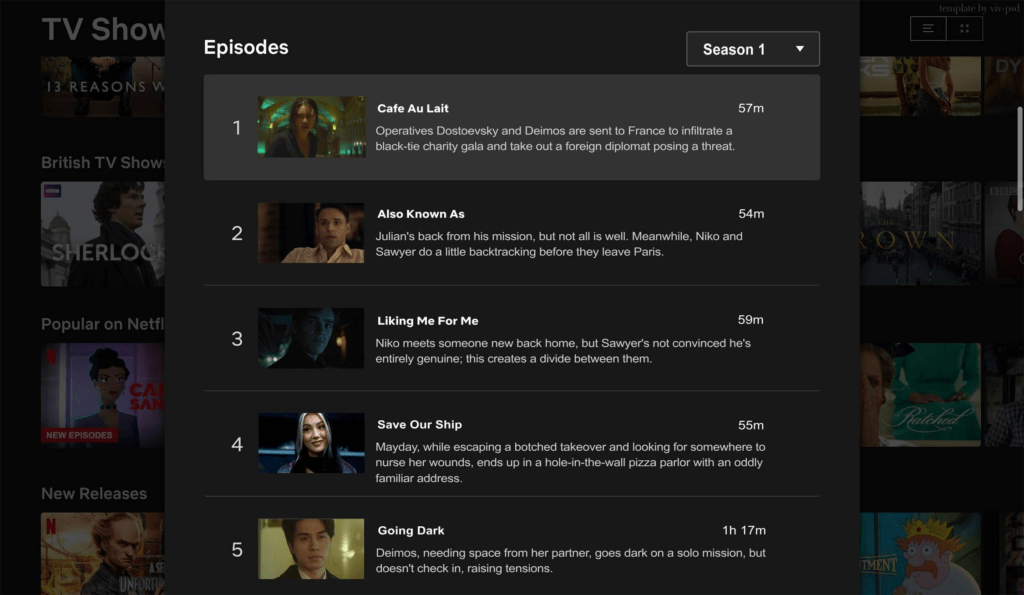
OTT originals are not tied to traditional television programming slots, giving creators greater freedom to adjust each episode according to the needs of the story. One episode may last forty-five minutes while the next runs for well over an hour if additional time is needed for important events.
Broadcaster-produced programs are usually designed around fixed scheduling blocks. Many dramas are planned to fit thirty-minute, sixty-minute, or seventy-minute programming slots while also leaving room for commercial breaks, news broadcasts, and the programs scheduled before and after them. The structure of each episode often reflects these scheduling requirements rather than purely creative decisions.
Because of this difference, two series with the same number of episodes may require completely different viewing commitments. A six-episode streaming drama with hour-long installments may contain nearly the same total runtime as a television series consisting of twelve shorter episodes.
Before starting any series, viewers should consider the total runtime instead of focusing only on the episode count.
Differences in Storytelling Structure
Release strategy also influences how stories are written.
Many OTT originals are designed with binge-watching in mind. Writers can assume that viewers may continue directly into the next episode, allowing longer story arcs, stronger continuity between episodes, and cliffhangers that encourage immediate viewing. Characters and plotlines often develop across an entire season rather than resolving major conflicts within each individual episode.
Broadcaster-produced content usually follows a different rhythm because audiences often wait several days before returning. Episodes frequently include brief reminders of previous events, previews for the following week, and intermediate resolutions that make the story easier to follow even if viewers miss an episode or join the series later.
This does not mean every streaming series ignores recaps or every television drama follows the same formula. Some OTT originals still use weekly scheduling, while many television productions now feature highly serialized storytelling. Nevertheless, the expected viewing pattern often influences pacing, episode endings, and narrative structure.
Viewers who prefer uninterrupted storytelling may enjoy complete streaming seasons, whereas those who like discussing each episode with friends often find weekly releases equally satisfying.
Broadcasting Regulations and Platform Policies
The production and distribution environment also differs significantly.
Broadcasters must operate within national broadcasting regulations. Programming schedules, children’s viewing hours, content standards, and other broadcasting requirements influence when programs can air and how they are presented. In many countries, prime-time scheduling and youth protection rules remain important considerations for television networks.
OTT platforms are generally governed by different operational priorities. Instead of fixed programming schedules, they rely more heavily on age classifications, parental control settings, regional licensing agreements, and internal release policies. These factors determine when titles appear, which versions are available, and whether particular episodes can be viewed in a specific country.
Regional licensing can produce noticeable differences. A complete season available in one market may still be releasing weekly elsewhere, while certain episodes or even entire titles may be unavailable because distribution rights differ between countries.
For that reason, viewers should always examine the information provided by their own platform rather than assuming every region offers identical access.
VOD Availability and Viewing Periods
Availability after release is another area where streaming platforms and broadcasters operate differently.
Broadcaster-produced programs often become available through official replay or VOD services after the original television broadcast. However, the availability period may be limited by licensing agreements. Some episodes remain accessible for only a few weeks, while others disappear once distribution contracts expire.
OTT originals generally remain available on their home platform for much longer because they are released as platform-exclusive content. Even so, availability is not completely identical worldwide. Regional release dates may differ, some episodes may arrive later than others, and licensing restrictions can occasionally delay access in specific countries.
Before planning a binge-watch, viewers should confirm that every announced episode is already available and that the title remains accessible in their region.
Rather than relying solely on the labels “OTT Original” or “broadcast television,” viewers should focus on the actual release calendar, publication time, episode runtime, storytelling format, platform policies, and local availability. These practical details provide a much clearer understanding of how the viewing experience will unfold than the production label alone.